Validate before you build
Frameworks to test demand, interview customers, and size your market — without a research budget or a PhD.
42% of startups fail because there was no market need. Market Investigation gives founders the research frameworks, practical guides, and free AI tools to validate demand before you build — not after.
Market research isn’t just for big companies with big budgets. These are the tools and frameworks that let founders move with confidence.
Frameworks to test demand, interview customers, and size your market — without a research budget or a PhD.
From stock screeners to sentiment analysis — tools that give you institutional-grade insight without the institutional price tag.
Every article is written for founders making real decisions — not academics writing for other academics.
Learn to read markets the way experienced analysts do — so your next pitch, hire, and product decision is grounded in evidence.
Ready to research your market properly?
Start with our free guidesAuthor: Takarudana Mapendembe
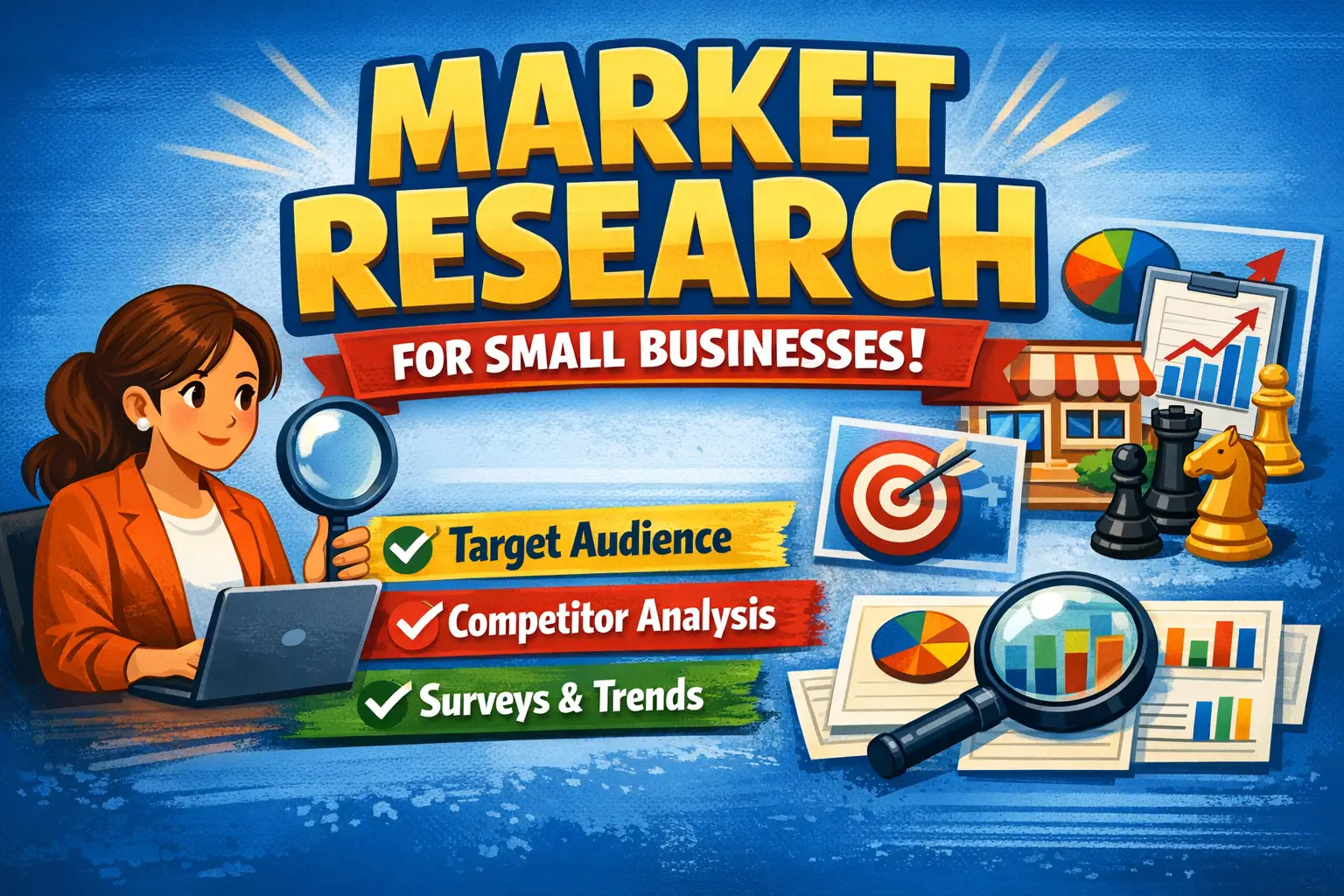
If you’re a small business owner who skipped market research because you “had a feeling” your idea would work — congratulations, you and every broke entrepreneur in history have something in common. Let me introduce myself. I’m a trader. I’ve been in the trenches — the markets, the stalls, the pop-ups, the overpriced business courses…
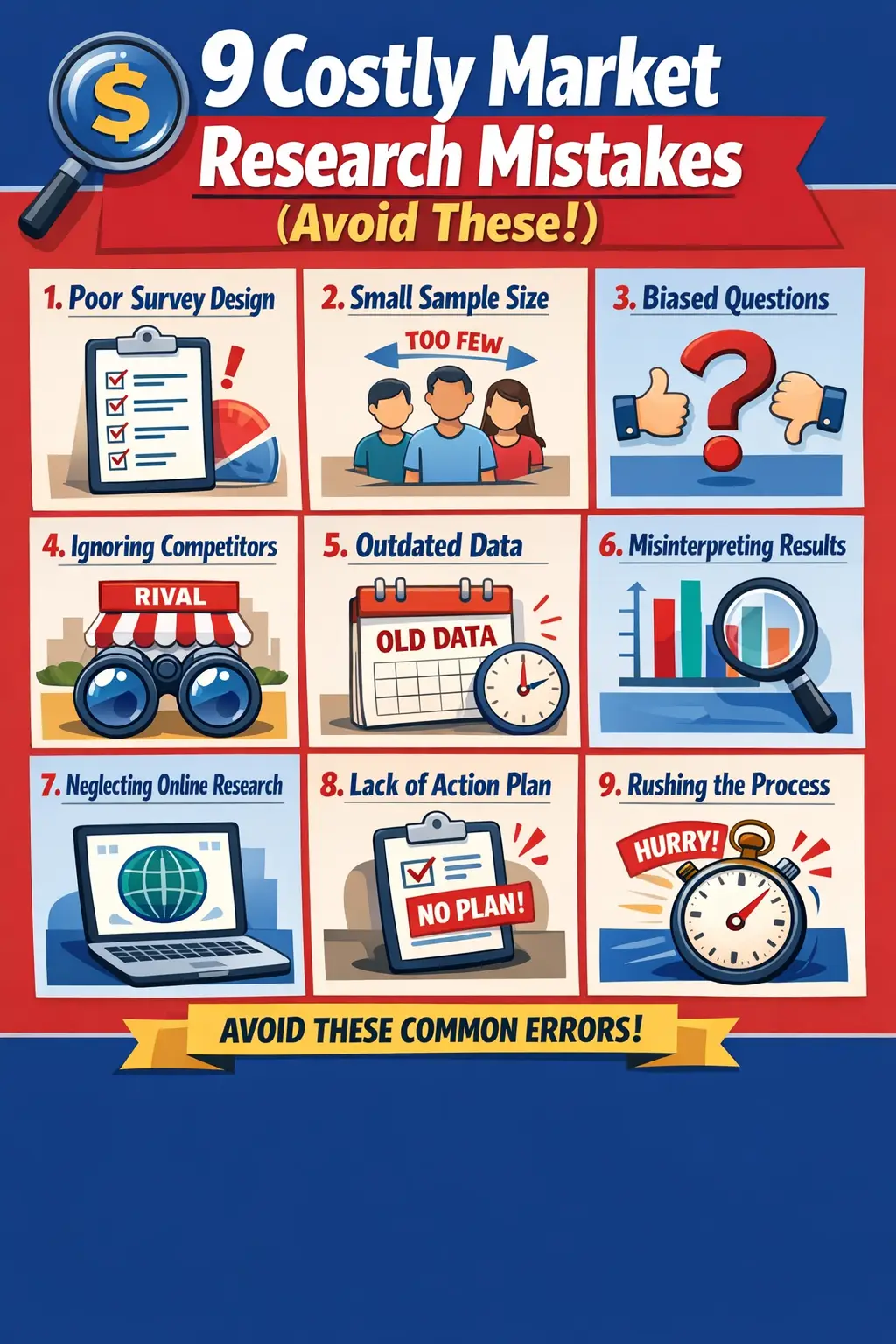
Every single day, traders lose money not because the market is cruel, but because they walked into it armed with bad market research, faulty assumptions, confirmation bias thicker than a Sunday roast, and the confidence of someone who just watched three YouTube videos and now thinks they’re Warren Buffett. If you’re making costly market research…

Market research examples that actually work in 2026 are the difference between traders who print money and traders who print excuses — and right now, if you’re not using data-driven strategies backed by real consumer insights, you’re basically trading blind with a calculator from 1994. Look, I’ve been in these markets long enough to know…
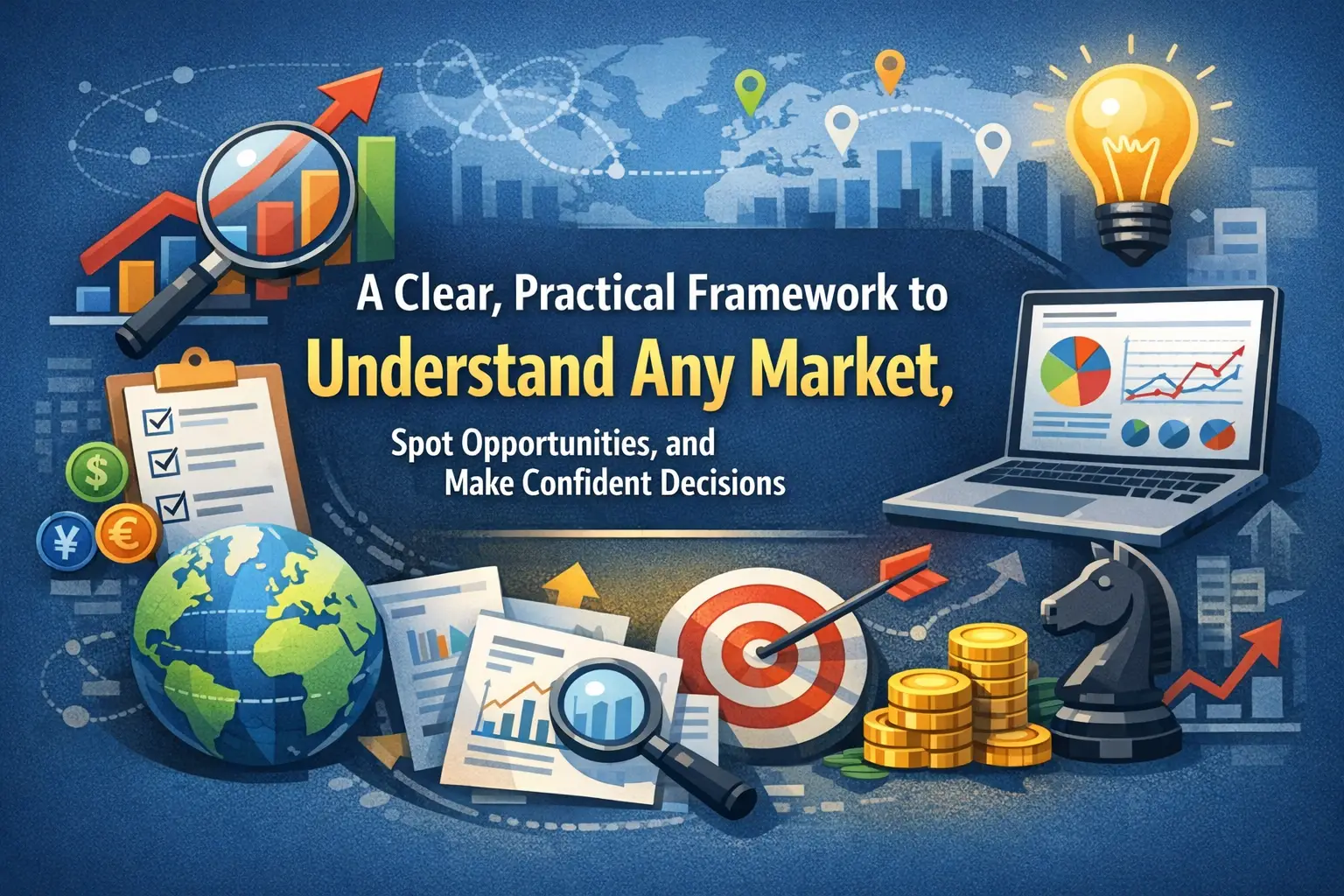
If you want to analyse a market like a pro, master both technical and fundamental analysis, decode market sentiment, and stop guessing your next trade — you have arrived at exactly the right article. Buckle up, because we are about to go from zero to Wall Street wizard, and I promise it will be more…
Most traders and business owners lose money not because the market is against them — but because they never bothered to find out what the market actually wanted in the first place. Let me be brutally honest with you right now: if you are making trading and business decisions without doing proper market research, you…
If you are a small business owner who wants to survive the market, grow your revenue, and actually understand your customers, then market research is not optional — it is the difference between you opening your second location and you posting a “Thank You For Your Support” sign on a locked door. Let me set…
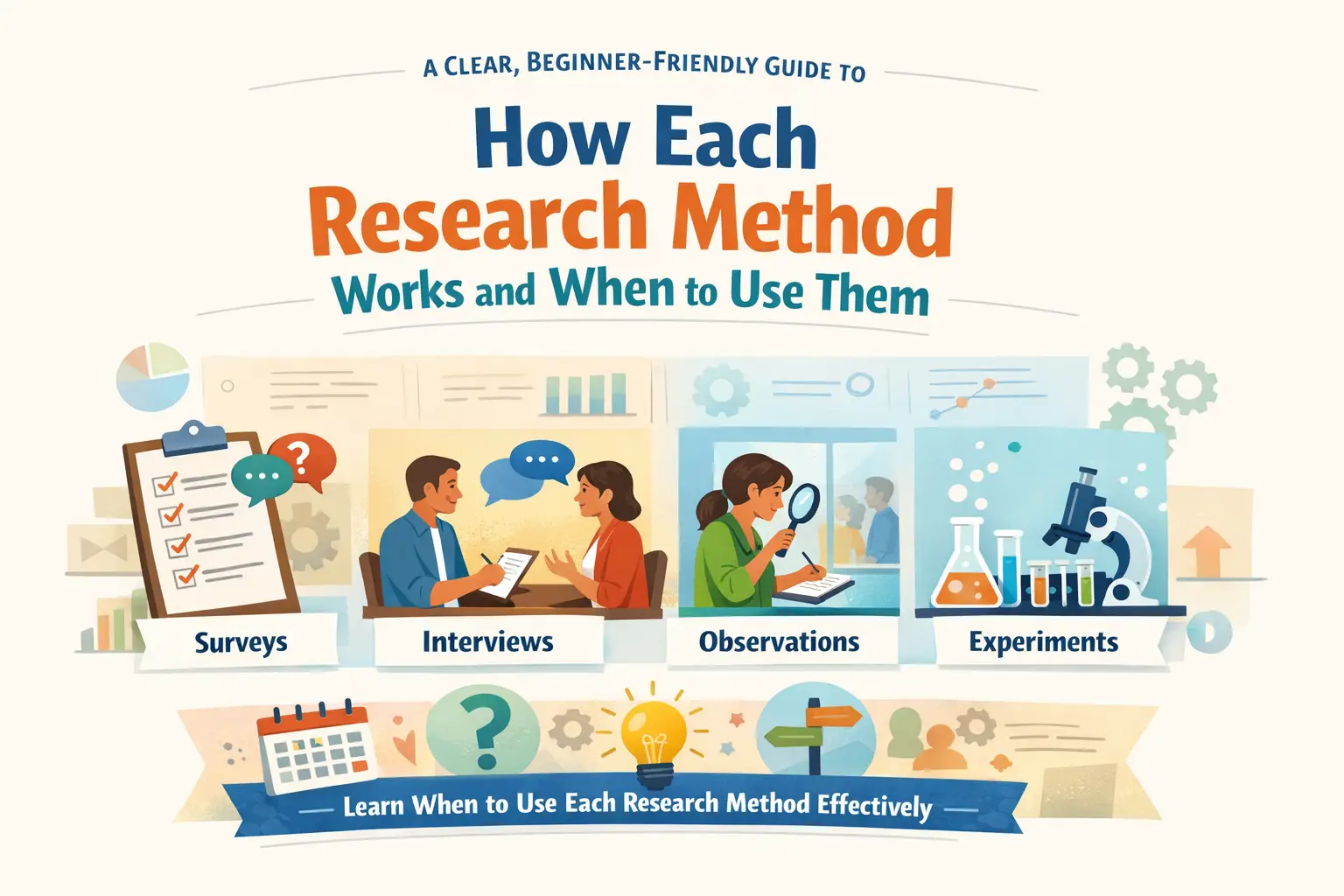
Quantitative and qualitative research are the two most powerful analytical frameworks in finance and trading, and if you don’t understand the difference between them, your portfolio is essentially a wish list. Right. I said it. Now, let me be your guide today. I’m a trader. I live on data, gut checks, spreadsheets, and the existential…
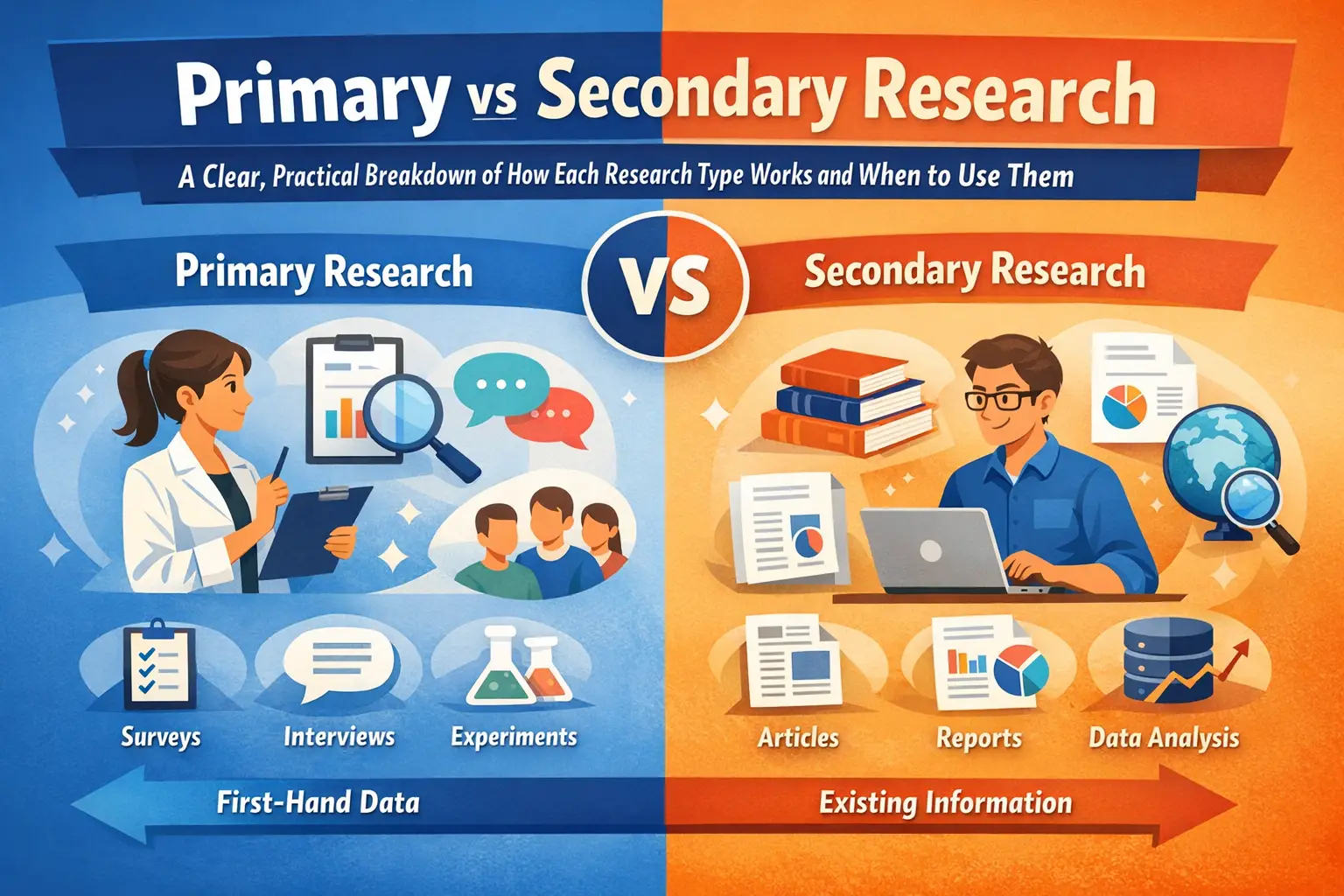
Primary research and secondary research are the two foundational pillars of financial market analysis — and if you don’t know the difference between them, you are literally handing your money to someone who does. Now look — I’ve been trading long enough to know two types of people walking through the door of this industry.…
If you want to survive — and thrive — in today’s volatile financial markets, mastering powerful market research methods is not optional; it is the single most important skill separating broke traders from profitable ones. I know what you’re thinking. “Research? That sounds like homework.” And look, I hear you. I spent years thinking the…
Market research, and competitor analysis are the two things separating profitable traders from people who just own very expensive lessons — and trust me, I have paid for all of those lessons, with interest, late fees, and emotional damage. Let me paint you a picture. Three years ago, I launched a trading strategy into a…