Validate before you build
Frameworks to test demand, interview customers, and size your market — without a research budget or a PhD.
42% of startups fail because there was no market need. Market Investigation gives founders the research frameworks, practical guides, and free AI tools to validate demand before you build — not after.
Market research isn’t just for big companies with big budgets. These are the tools and frameworks that let founders move with confidence.
Frameworks to test demand, interview customers, and size your market — without a research budget or a PhD.
From stock screeners to sentiment analysis — tools that give you institutional-grade insight without the institutional price tag.
Every article is written for founders making real decisions — not academics writing for other academics.
Learn to read markets the way experienced analysts do — so your next pitch, hire, and product decision is grounded in evidence.
Ready to research your market properly?
Start with our free guidesAuthor: Takarudana Mapendembe
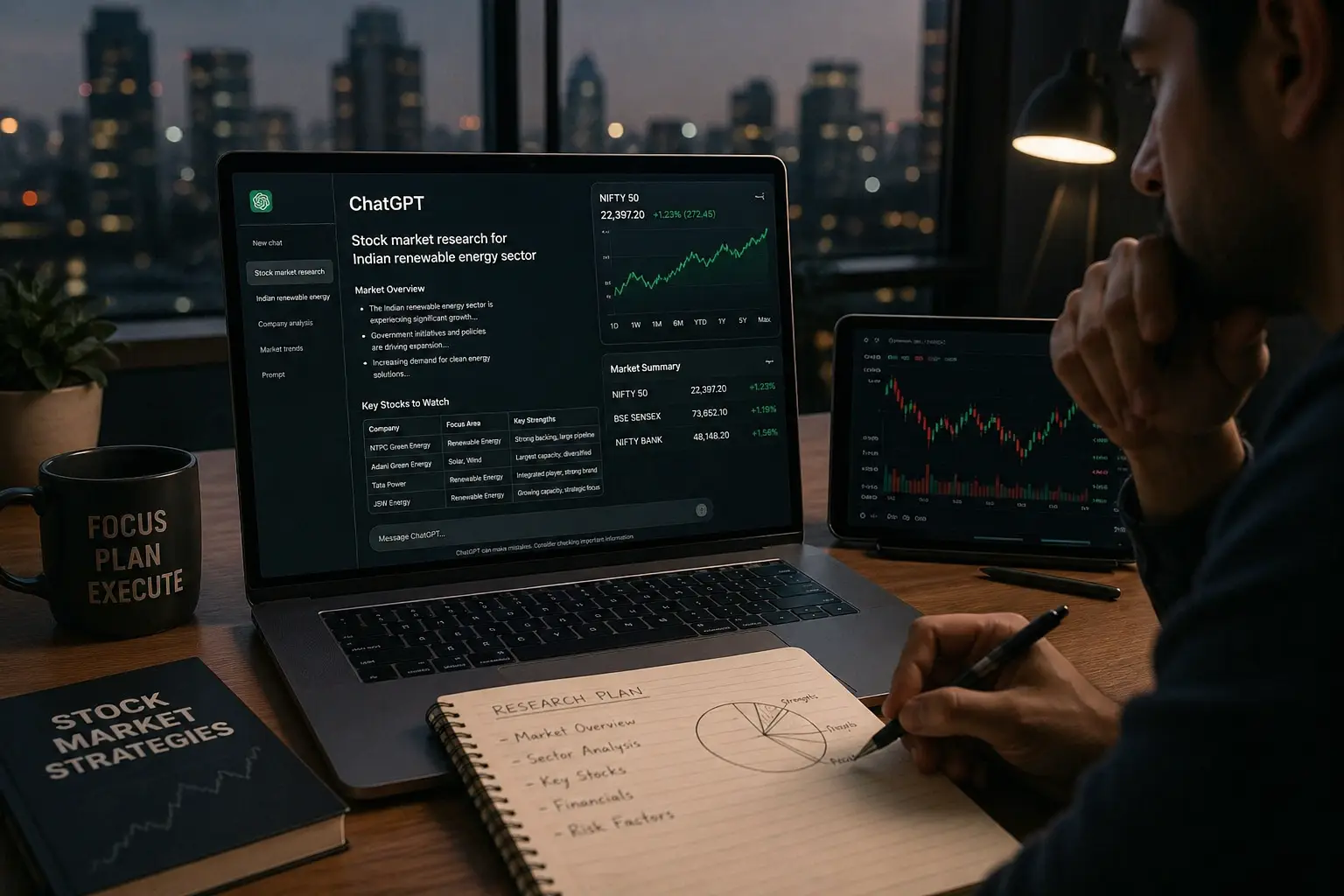
If you are not using ChatGPT for stock market research right now, you are literally leaving money on the table — and somebody else’s hand is already reaching for it. Welcome, fellow market warriors. I am your guide today — a trader who has stared at more red candles than a haunted birthday party. I…

If you’re a trader who wants to know which AI is best for stock market research, buckle up — because I’ve burned my eyebrows, stared at charts until 3 a.m., and asked five different AIs the same question about NVIDIA just to give you the cleanest breakdown on the internet. Welcome. Pull up a chair.…
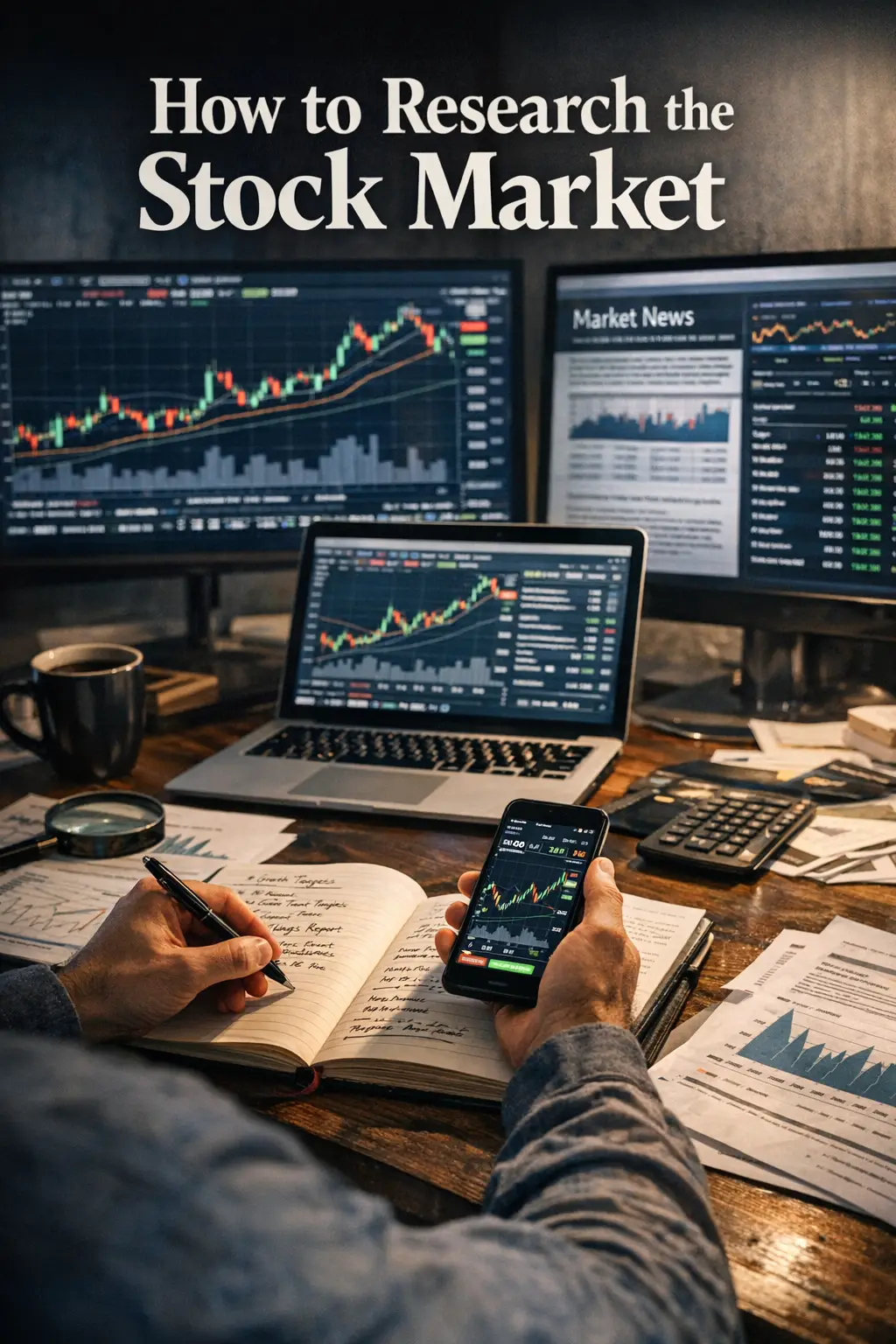
If you want to research the stock market, stop guessing, start analysing, and actually make money — because the market does not care about your feelings, your horoscope, or the guy at work who “always knows a hot tip.” Let me introduce myself. I’m a trader. I’ve sat in front of screens watching red candles…
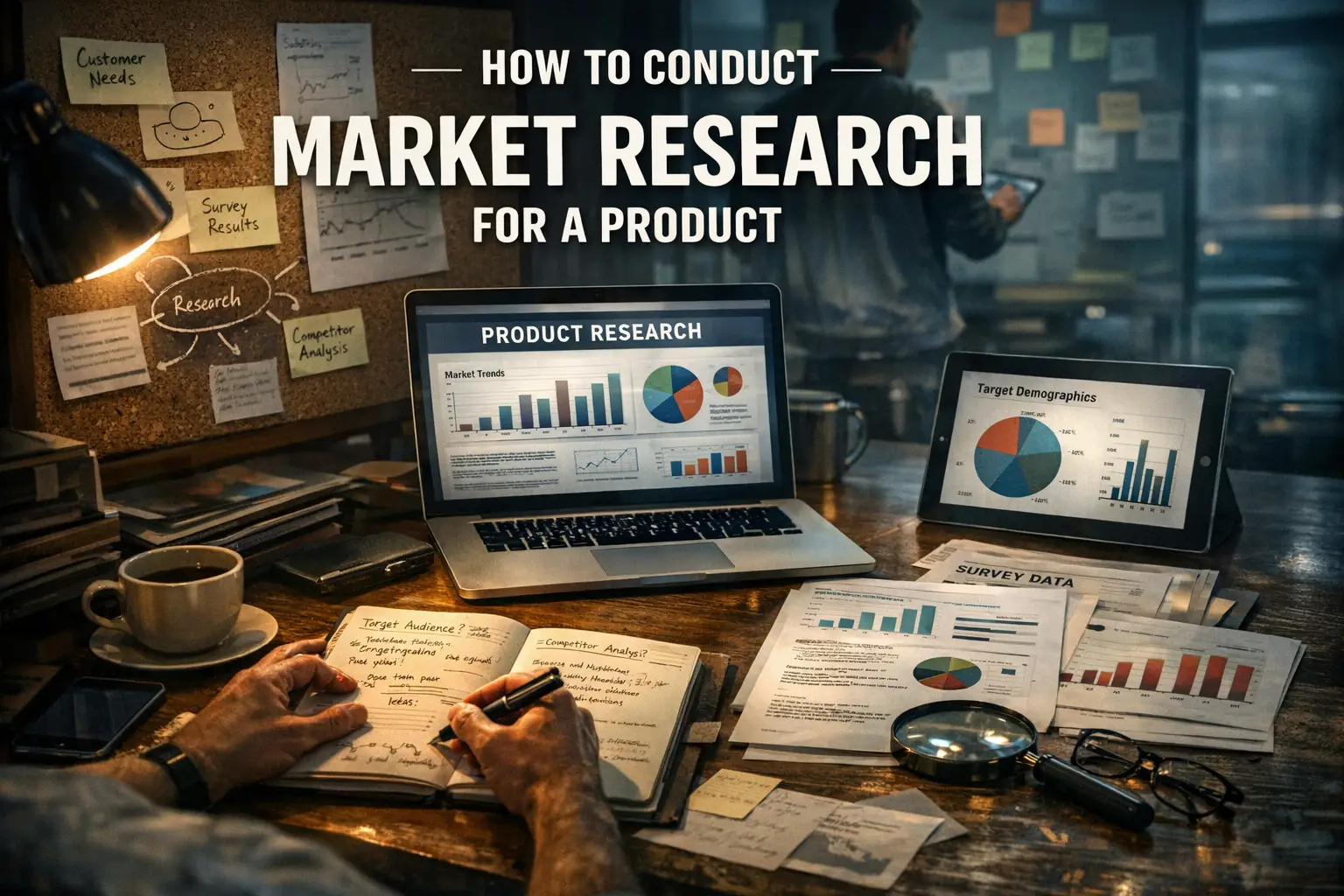
Market research for a product is the single most important thing you will do before spending a single penny — and I say that as a trader who has watched good money chase bad ideas faster than a man chasing a bus he knows he’s going to miss. I’m going to walk you through the…
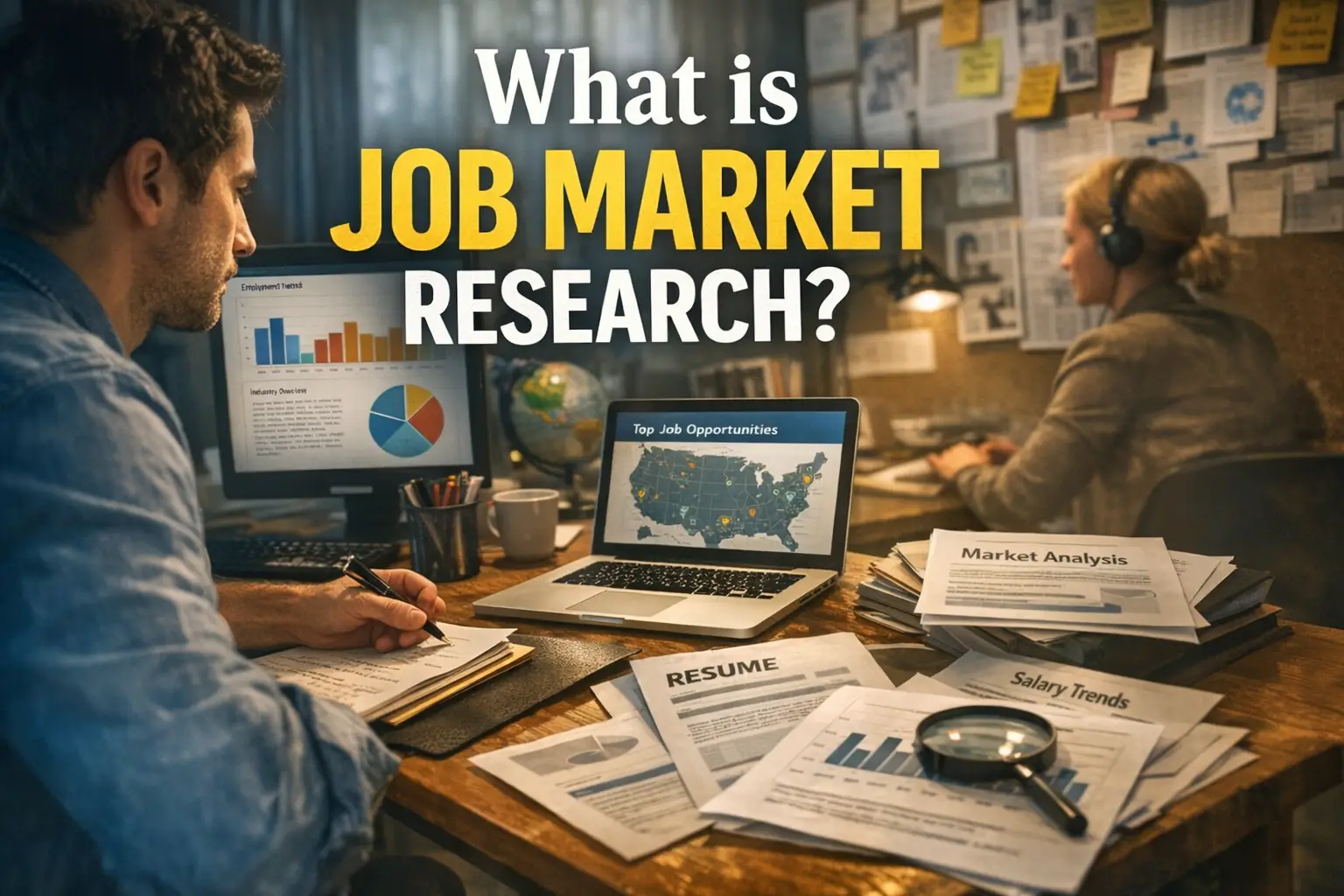
Job market research is the systematic process of gathering and analysing data on salaries, skills demand, hiring trends, and industry growth to make smarter, more lucrative career decisions. Treating the labour market like a financial market — with rigorous research before every major move — is the single most powerful tool available to job seekers,…
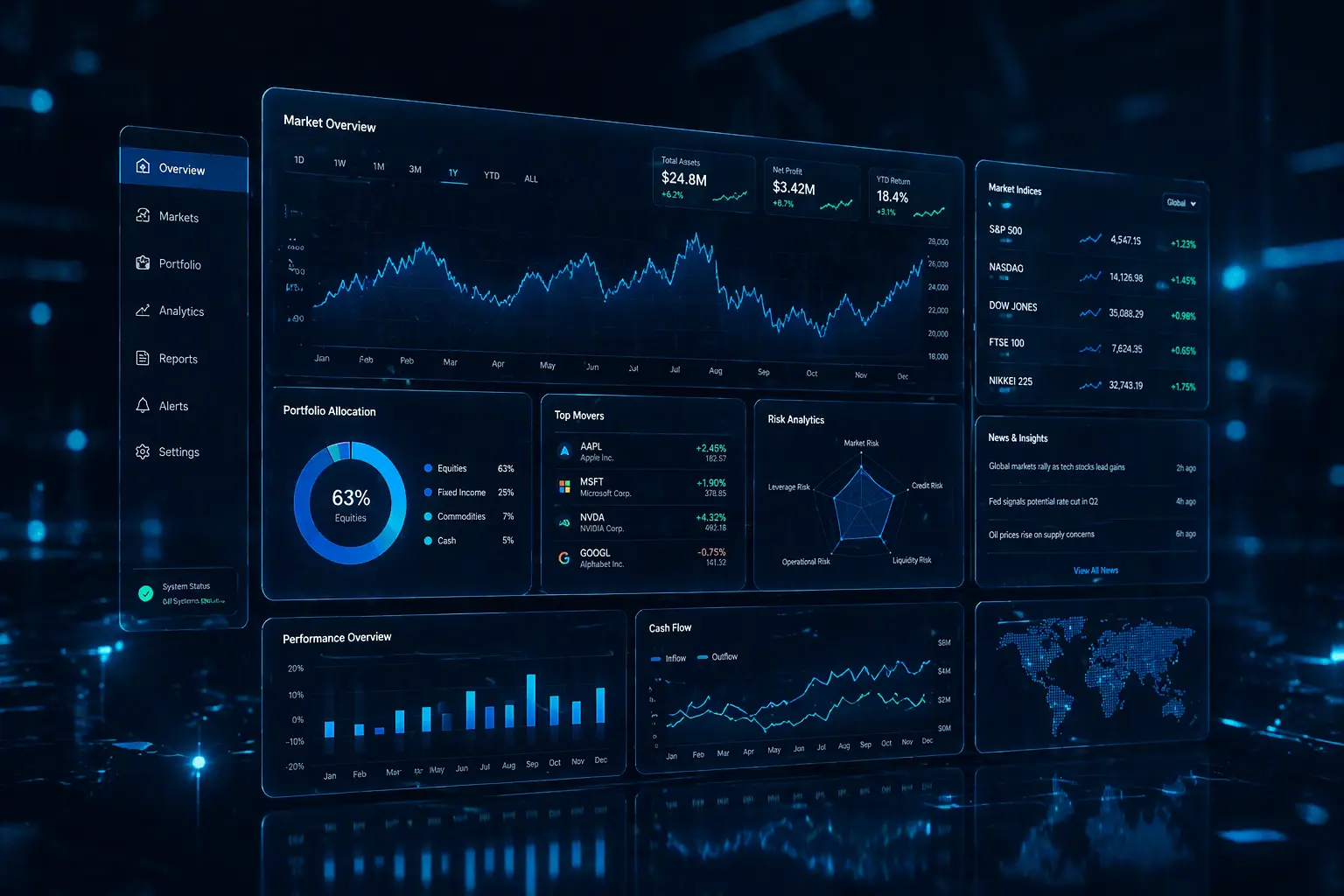
Market research is so important that every single business that has ever collapsed, embarrassed itself in front of customers, or launched a product nobody wanted, skipped one critical step: market research — and if you’re reading this thinking “that’s not me,” bro, that is you. I’ve spent years in markets where the difference between profit…

The market research process in marketing is the foundation of every great business decision ever made. Not intuition. Not vibes. Not your uncle’s advice over Christmas dinner. Research. Data. Evidence. And in this article, I’m going to walk you through every single step of that process — with academic rigour, real case studies, and enough…

Every trader who has ever lost money in a foreign market wished they had done better international market research first — and the international market research process is the systematic, step-by-step framework that separates the businesses making millions from the ones making excuses. I’m going to be honest with you right now. I’ve been out…

If you want to do market research for investors the right way, avoid catastrophic financial losses, and actually build wealth in today’s volatile financial markets — then buckle up, because I’m about to save your portfolio and your dignity at the same time. My name is irrelevant. What IS relevant is that I have spent…

Affordable market research for small businesses is the single most powerful competitive weapon you are not using — and if you are a small business owner who has ever launched a product nobody wanted, walked into a market nobody told you was already dead, or spent three months building something that your customers didn’t ask…