Tag: market research
-

The B2B SaaS product market research questions you must ask cover six critical areas: customer pain point discovery, ideal customer profile validation, competitive intelligence, pricing and willingness-to-pay, product-market fit assessment, and retention risk identification. Ask these questions — in structured interviews, surveys, and ongoing feedback programmes — before you build, and you move from the…
-
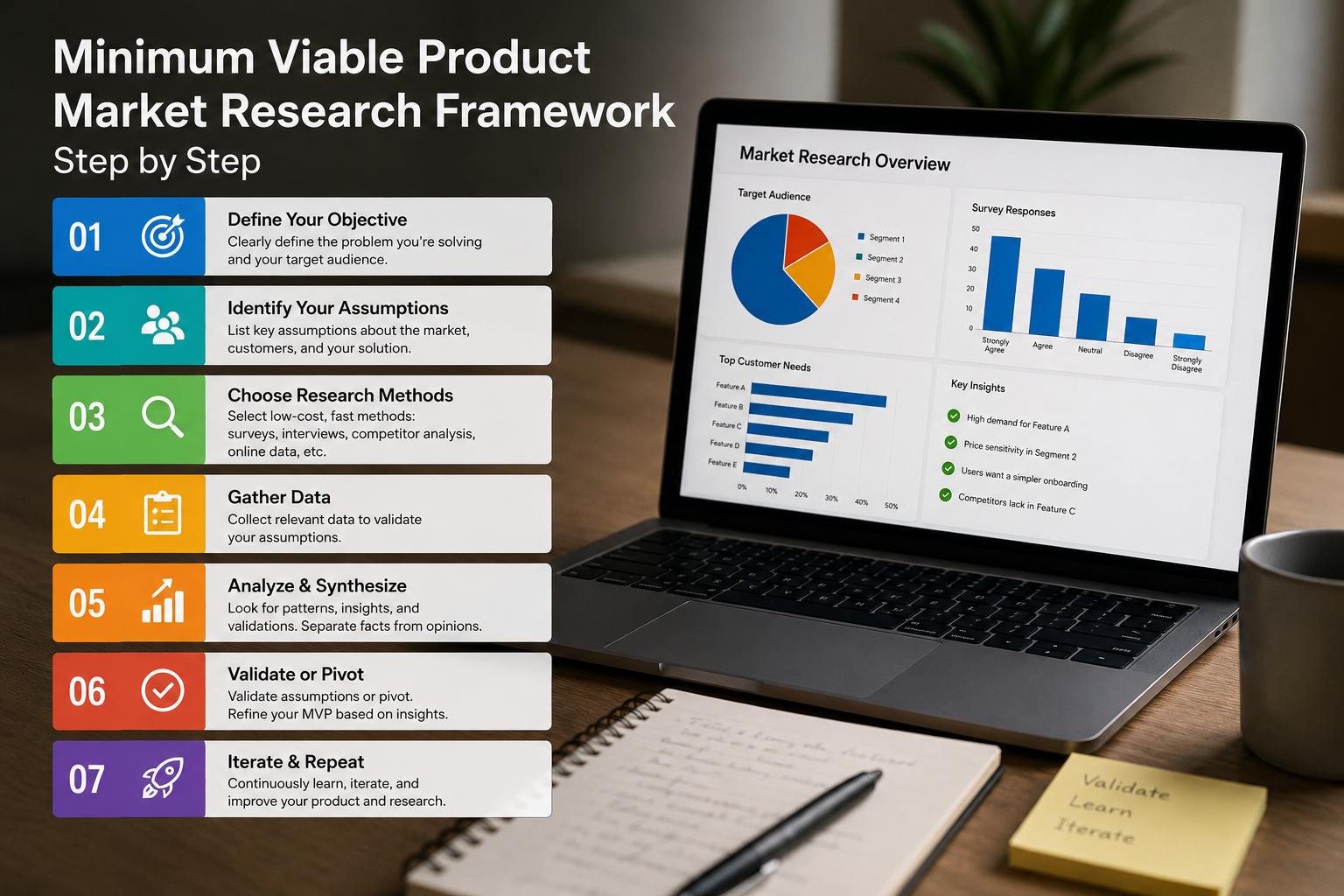
Every year, 42% of startups fail not because they built badly, but because they built the wrong thing — and a rigorous Minimum Viable Product market research framework step by step is the only proven way to validate demand, isolate your early adopter, and reach product-market fit before you waste a single pound of runway.…
-
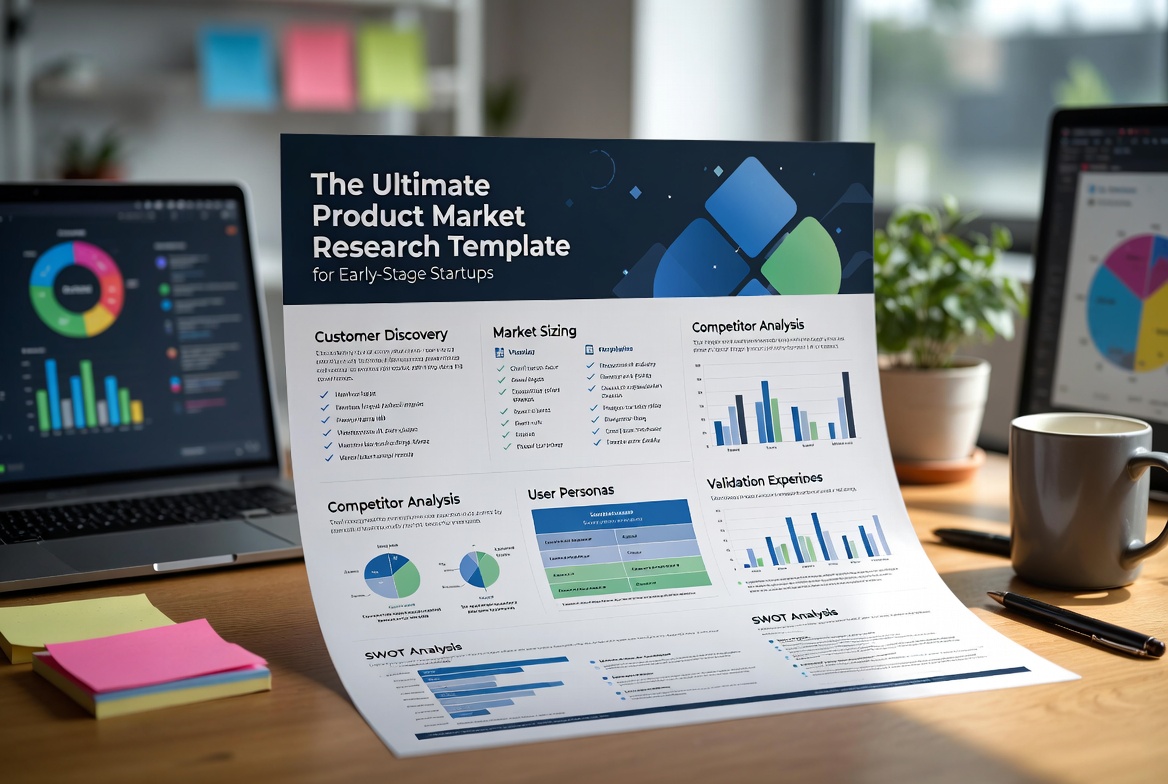
Product market research is the structured process of validating real customer demand before you commit time, money, or code to building anything — and this guide gives you the exact framework, templates, and questions to do it right. Follow the step-by-step system below to move from untested assumption to investor-ready, evidence-backed product clarity. At the…
-

AI market research outputs can accelerate your research process dramatically, but hallucination rates of up to 98% for specific financial citations mean that unverified AI intelligence is one of the fastest ways to lose money in modern trading. This guide gives you a systematic, five-pillar fact-checking framework — STAMP — so you can use AI…
-

The prompt templates for founder market research include ten structured AI prompt templates spanning five research pillars — TAM sizing, competitive intelligence, customer discovery, pricing, and market timing — that founders can use to validate any market before committing capital or code. Each template is designed to replace guesswork with rigorous, repeatable analysis that surfaces…
-
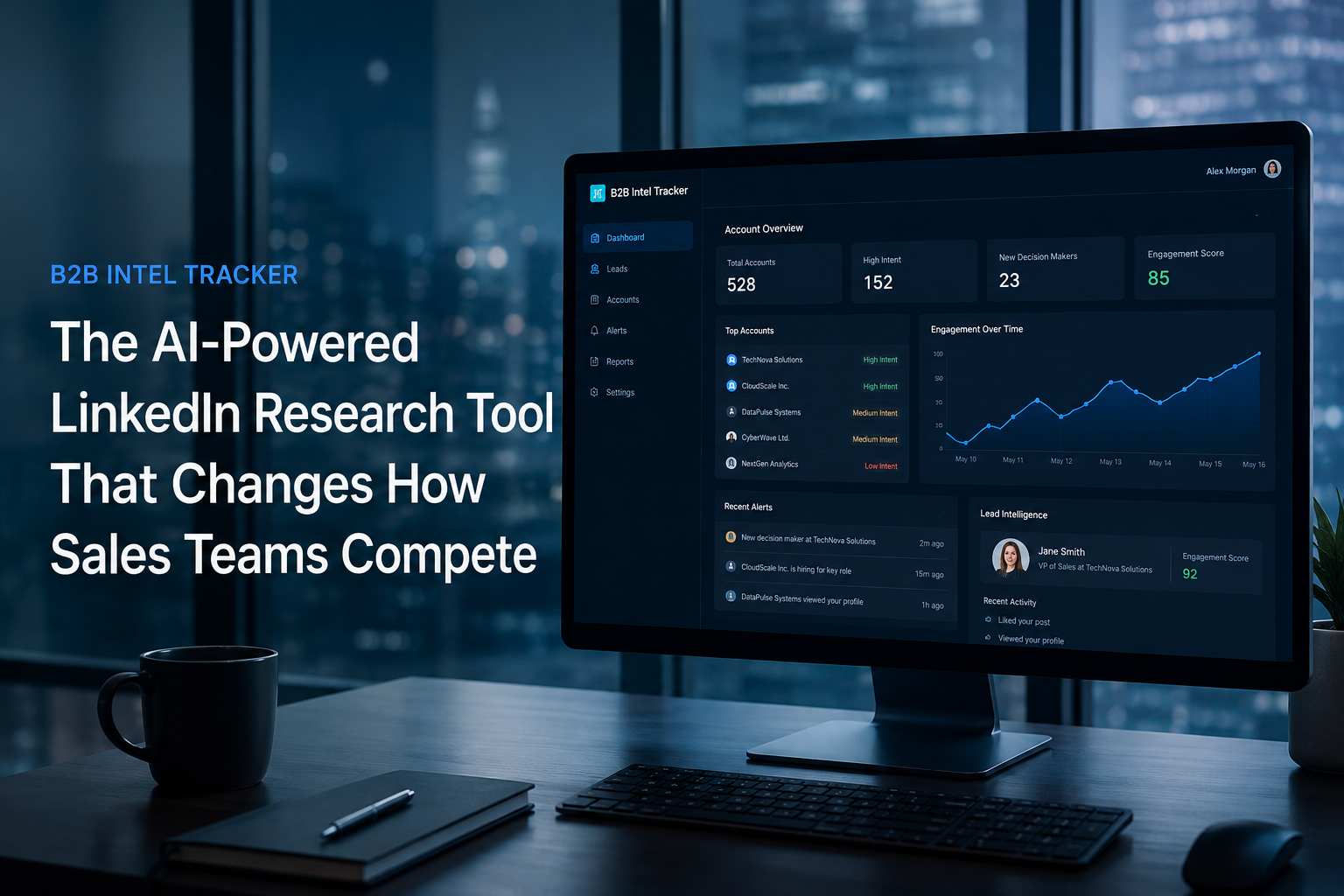
The B2B Intel Tracker is a free, single-file React web app that combines competitor tracking, buyer persona management, Boolean search generation, and AI-powered strategic reports in one dark-mode command center. Built with direct Anthropic API integration, it gives any go-to-market team enterprise-grade LinkedIn intelligence capabilities without subscriptions, backends, or build tools. There is a…
-
You can collect 100 survey responses without paying for a panel by strategically leveraging free channels including Reddit communities, email lists, SurveySwap, and social media. This guide gives you ten proven strategies, peer-reviewed evidence, real case studies, and a ready-to-execute 7-day action plan. At the end of this article, there is a free interactive survey…
-
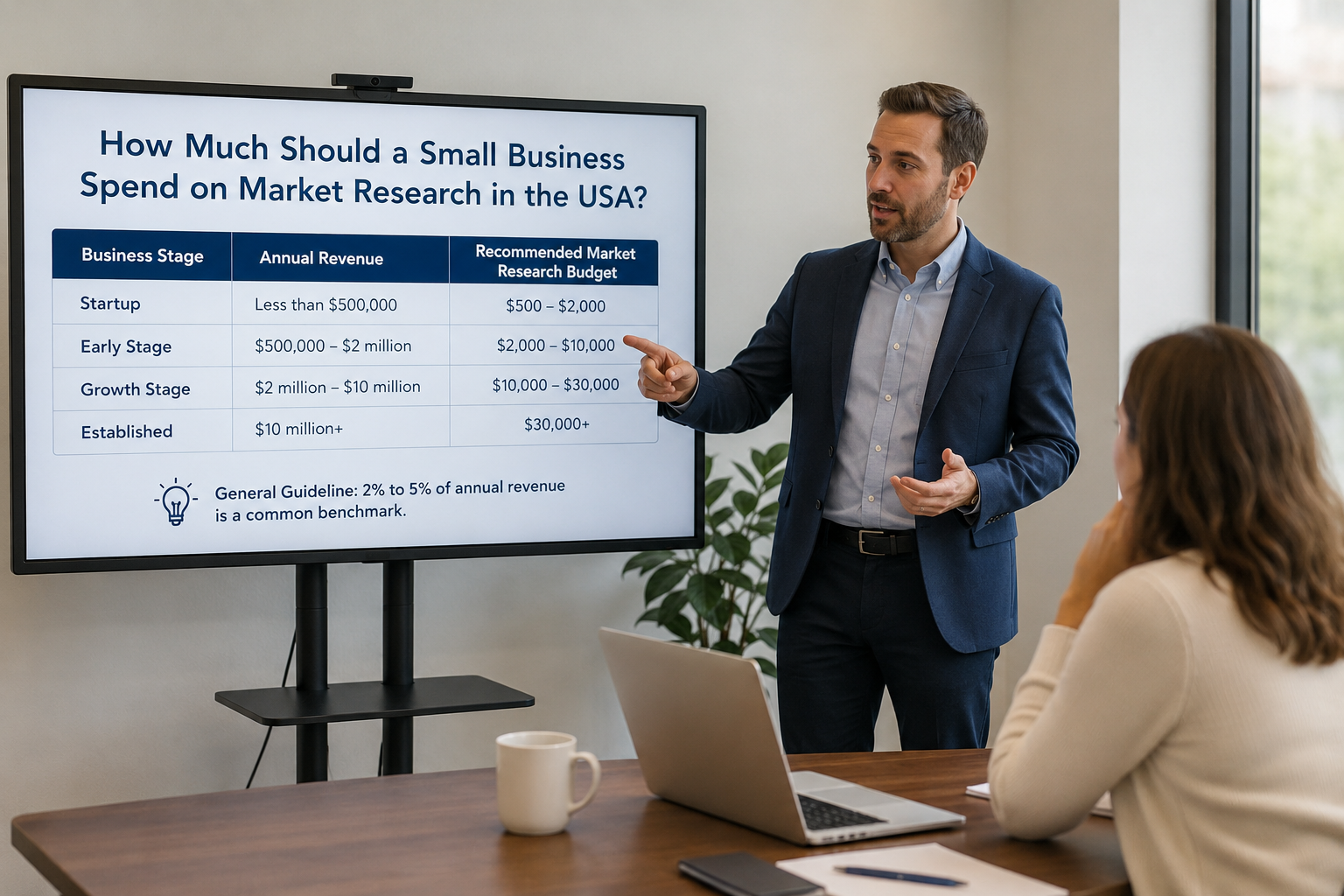
Small businesses in the USA should allocate 10–15% of their marketing budget to market research, which — based on the SBA’s recommended 7–8% of gross revenue for marketing — translates to roughly 0.7–1.2% of annual revenue. This guide breaks down exactly what that means in real dollars at every business stage, what the research should…
-
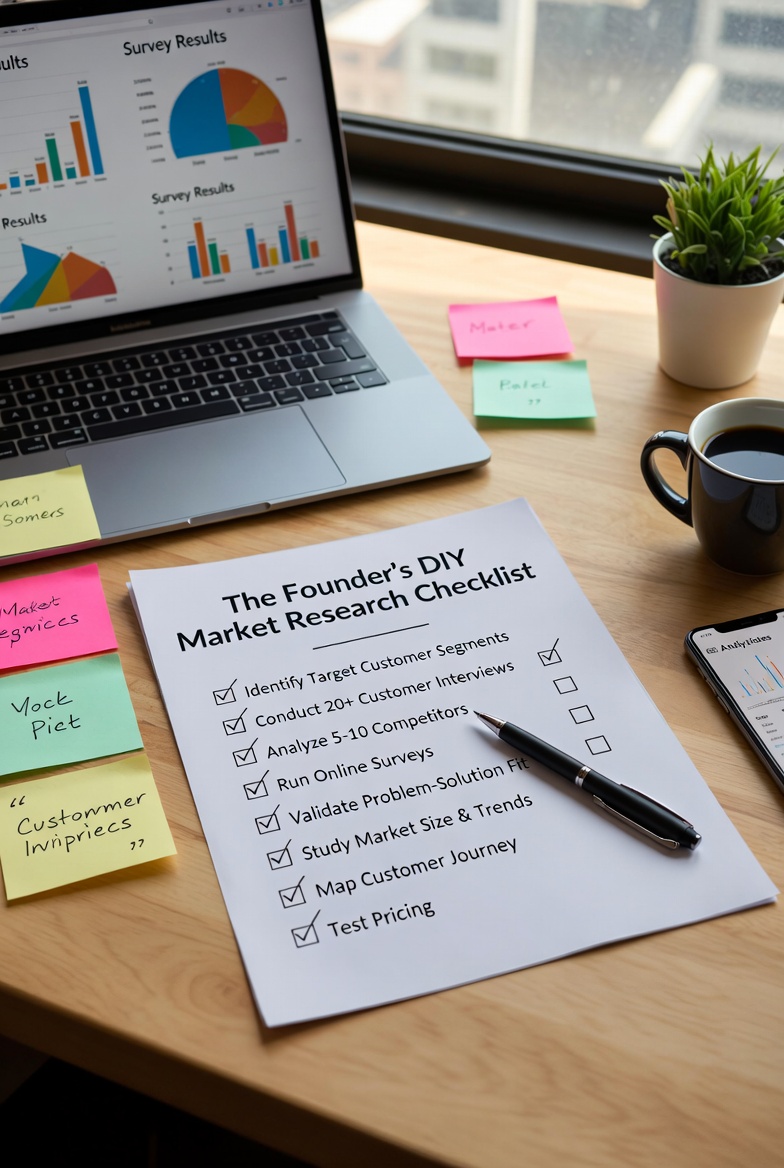
The Founder’s DIY Market Research Checklist is a 12-step action framework that walks you through every critical validation exercise — from pinpointing your customer’s exact problem and sizing your market with TAM/SAM/SOM, to running discovery interviews, testing willingness to pay, and mapping your go-to-market channels. Complete every item before you build and you replace expensive…
-

Using LinkedIn for free B2B market research gives you direct access to competitor strategies, buyer priorities, and live market trends — all from the world’s largest professional network, at zero cost. This guide shows you exactly how to turn LinkedIn’s free tools into a fully operational market intelligence system that delivers insights your competitors are…