
Category: Market Analysis
-
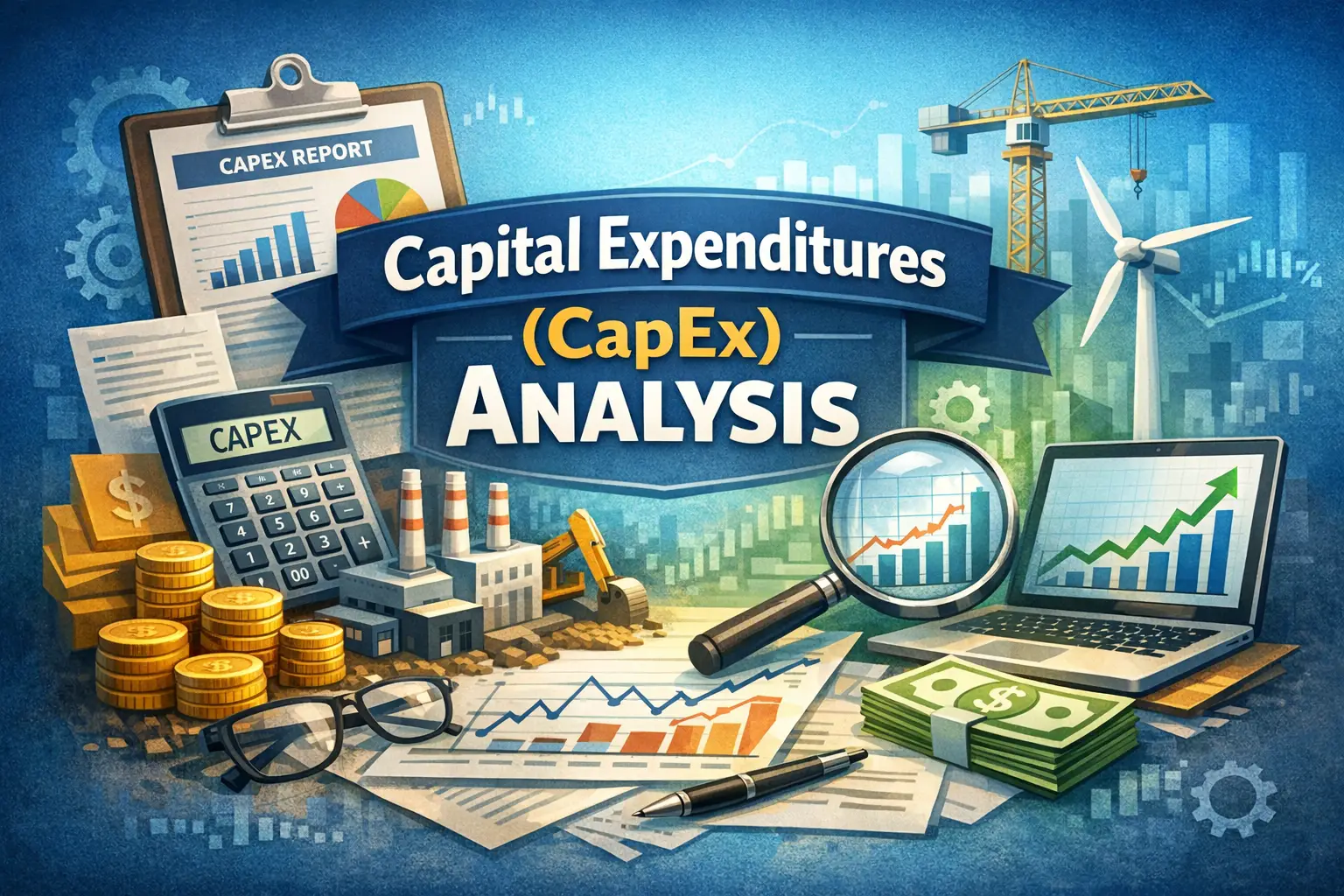
Capital Expenditures (CapEx) Explained: How to Calculate Them, Analyse Them, and Evaluate Efficiency
Capital expenditure (CapEx) is the money companies spend acquiring or maintaining long-term physical assets, recorded on the cash flow statement and depreciated over time rather than expensed immediately. Mastering how to calculate, benchmark, and evaluate CapEx efficiency is essential for understanding whether a business is creating or destroying shareholder value. 📝 TL;DR — Quick Takeaways…
-
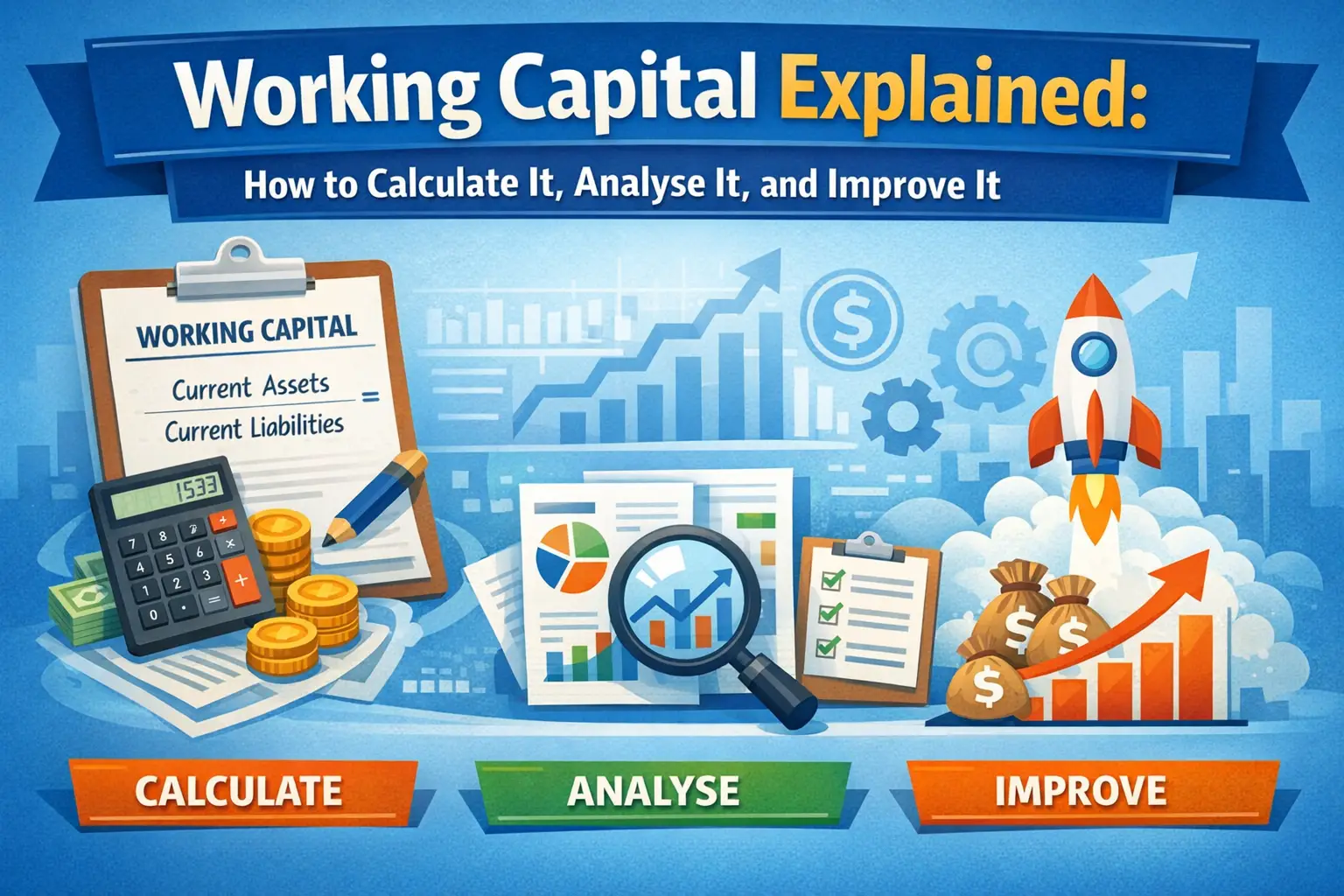
Working capital management, cash flow analysis, and current ratio optimisation are not just things that accountants mutter about over lukewarm coffee. They are the oxygen your business breathes. Right now, somewhere in the world, a perfectly profitable company is filing for bankruptcy because it ran out of working capital. Profitable. Bankrupt. At the same time.…
-
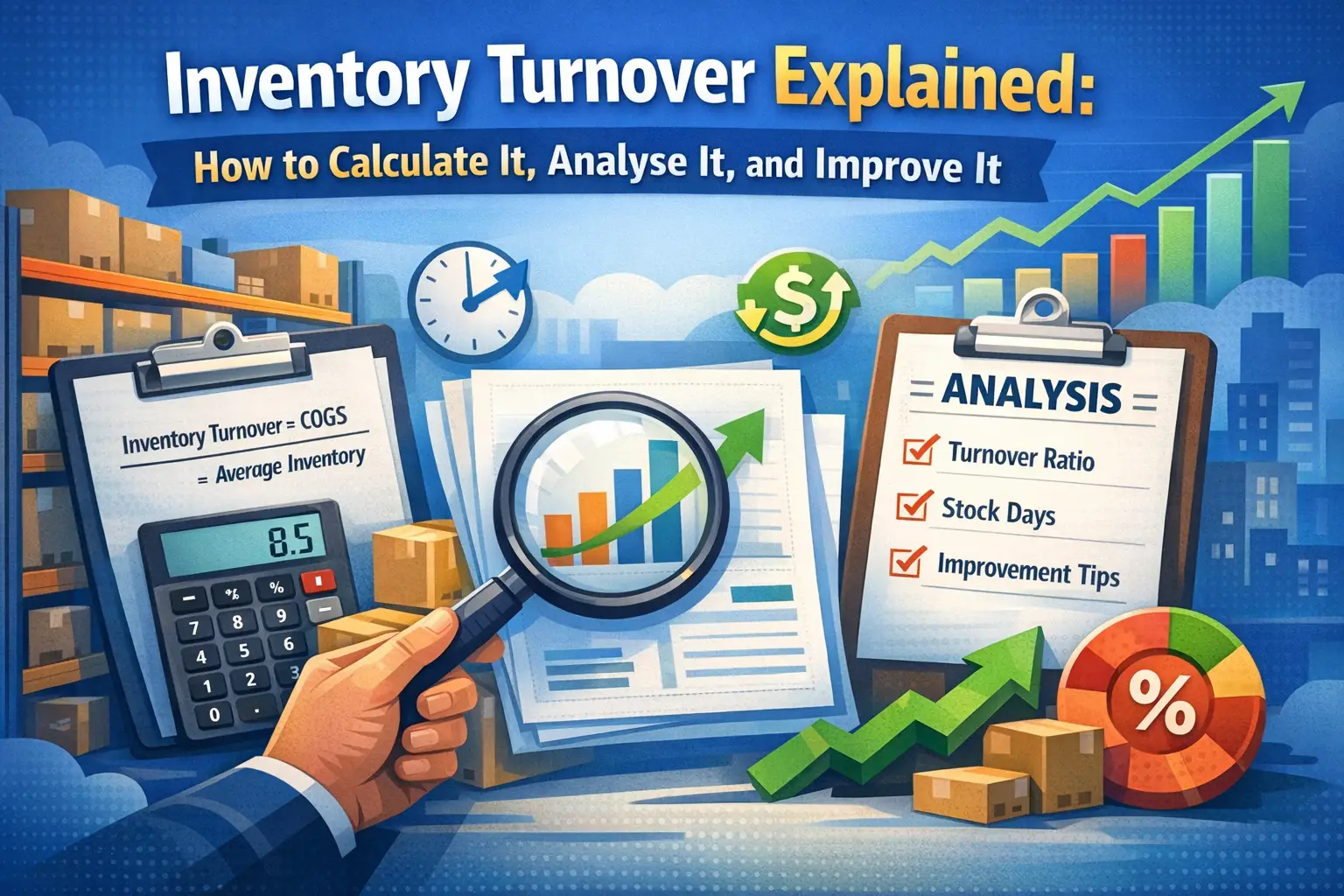
Inventory turnover measures how many times you sell and replace your entire stock in a given period, calculated by dividing your Cost of Goods Sold by your average inventory. To analyse it, compare your ratio against industry benchmarks and segment by category to find what’s dragging it down; to improve it, prioritise fast-moving stock, clear…
-
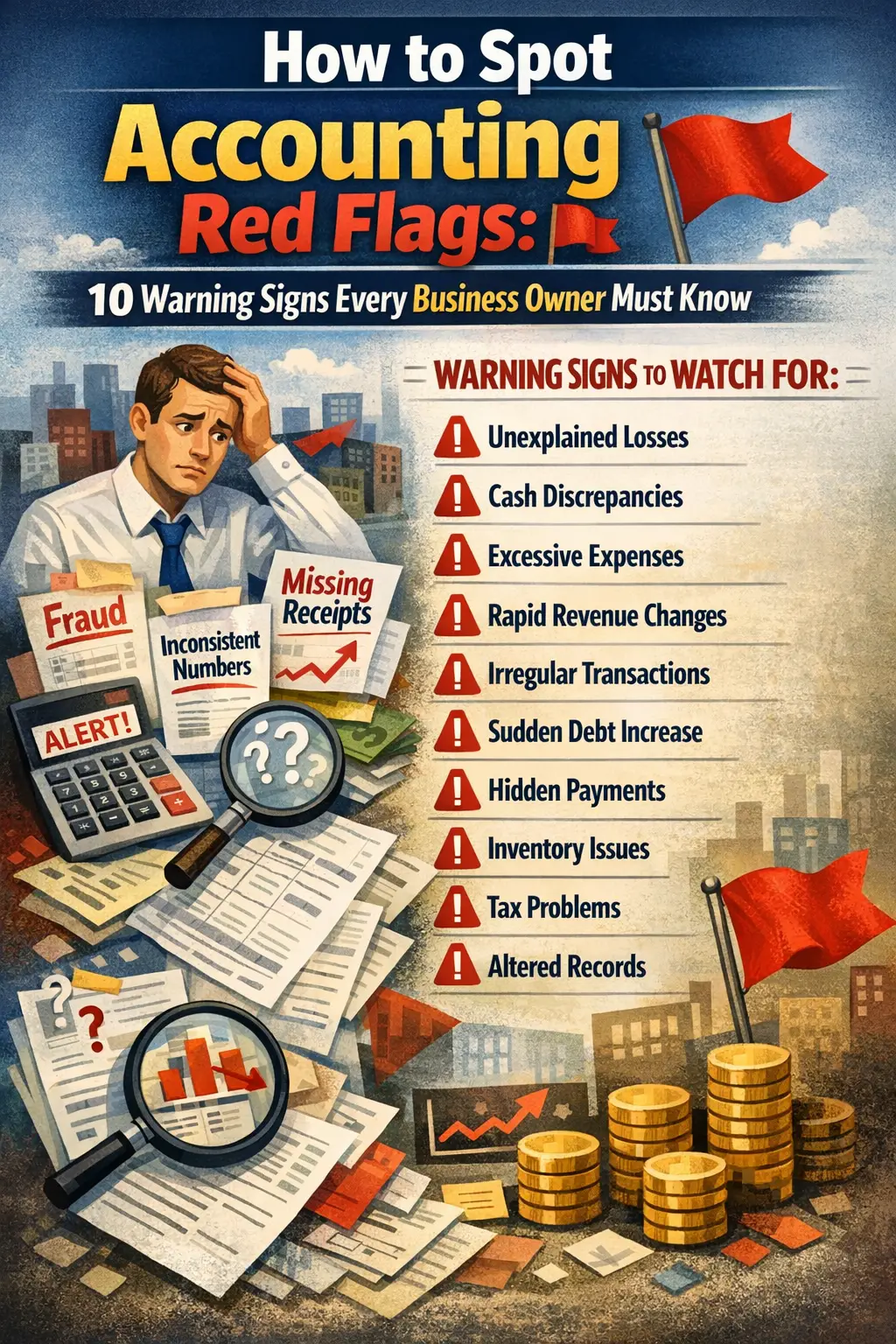
Accounting red flags include revenue growing without matching cash flow, bloated accounts receivable, unexplained inventory, round-number transactions, and suspiciously smooth earnings. The remaining five warning signs every business owner must know are frequent auditor changes, off-balance-sheet entities, concentrated financial authority, vague expense categories, and a narrative that contradicts the numbers. If your business is bleeding…
-
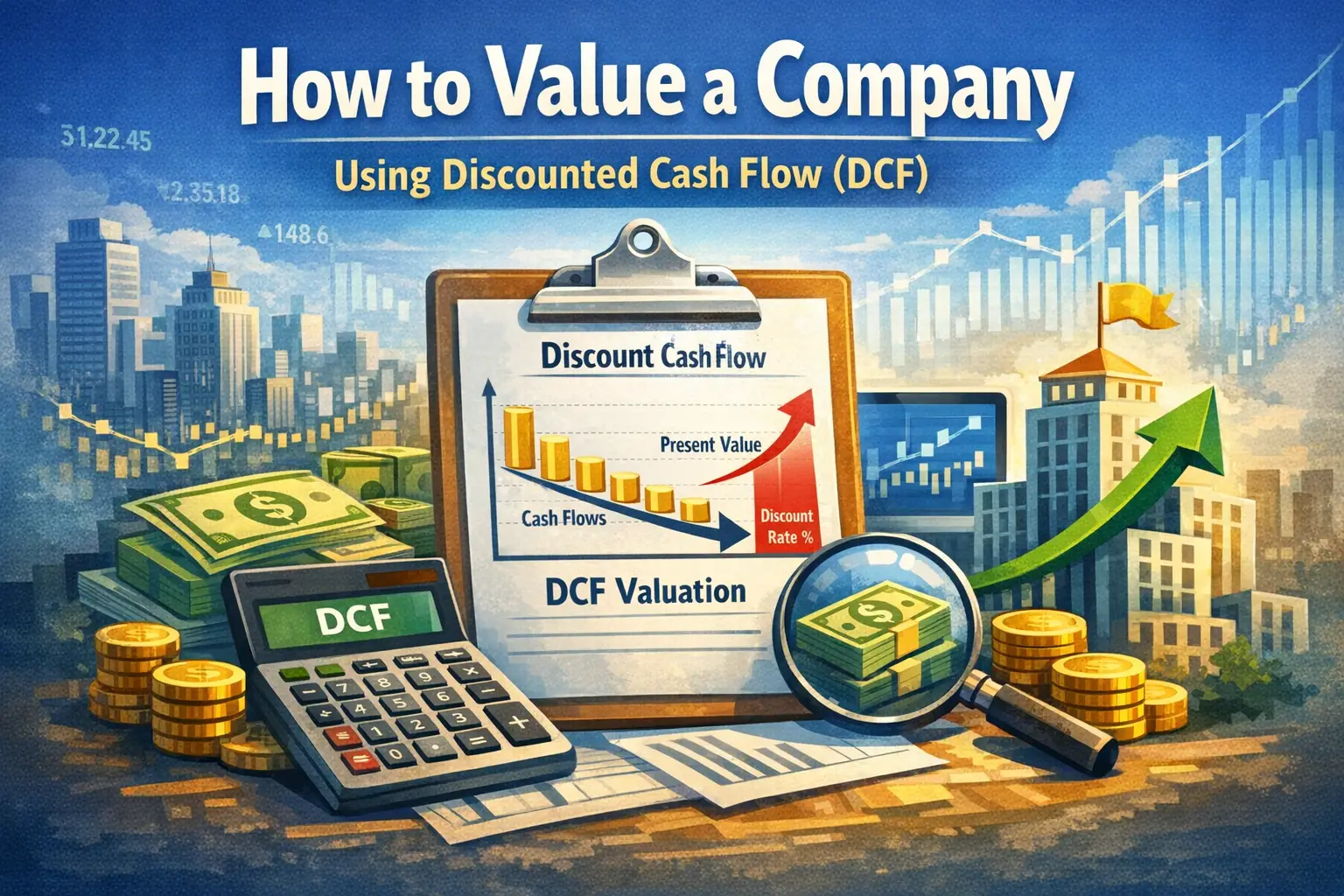
DCF (Discounted Cash Flow) valuation is the method professional investors use to calculate what a company is actually worth by projecting future cash flows and discounting them back to today’s money. This guide walks you through every step — from calculating free cash flow and WACC to terminal value — with real examples from Apple…
-

Analysing IPOs before investing requires a disciplined, research-backed framework covering valuation, prospectus scrutiny, competitive moats, and psychological bias — not excitement alone. This guide walks you through every stage of that process, with real academic research and case studies from Airbnb, WeWork, and Deliveroo. Analysing IPOs before investing is the single most important skill a…
-

Inflation attacks company earnings through six distinct channels — from input cost pressure and wage inflation to interest rate transmission and valuation compression — rewarding businesses with genuine pricing power while quietly destroying those without it. Understanding these mechanisms is the difference between navigating inflationary cycles profitably and watching your portfolio erode in real terms.…
-

To evaluate management quality, assess leadership across five core pillars — capital allocation discipline, communication transparency, incentive alignment, strategic clarity, and integrity — using earnings call transcripts, proxy statements, ROIC history, and SEC filings. Score each pillar from one to five, treat anything below 15 out of 25 as a serious warning, and weight management…
-

Beginners routinely make mistakes like confusing great companies with great investments, fixating on revenue while ignoring balance sheets, anchoring to purchase prices, and following the crowd into overvalued assets. Understanding these traps — alongside subtler errors like misusing P/E ratios in isolation, ignoring qualitative factors, and abandoning long-term thinking the moment prices move — is…
-

To read annual reports start with the auditor’s report and cash flow statement to verify financial integrity, then work through the five key metrics — revenue growth, gross margin, free cash flow, debt-to-equity, and return on equity — before using Ctrl+F to hunt for red flags like “going concern,” “related party,” and “restatement” in the…